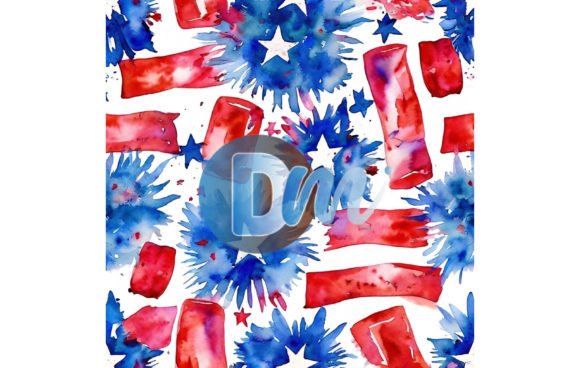
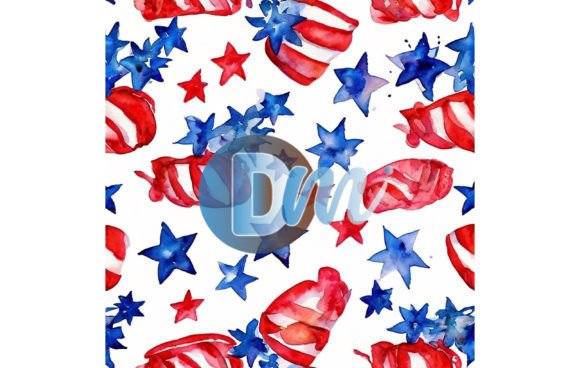
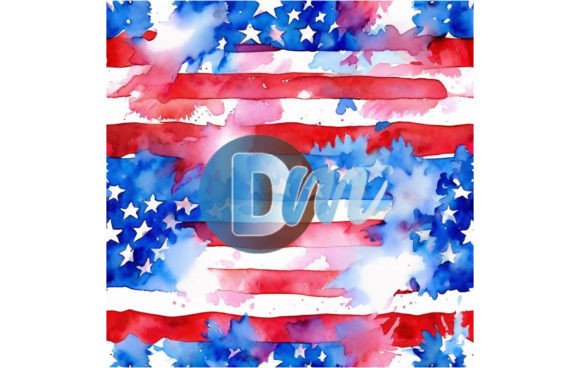
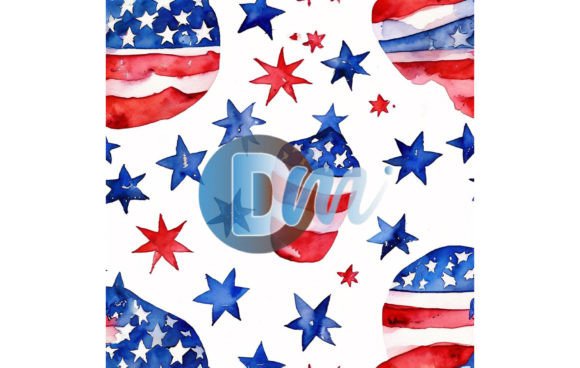
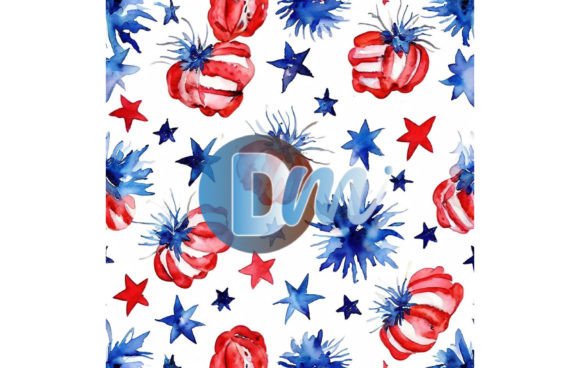
Strategic Considerations for Using the 4th of July Seamless Pattern 138
Every design asset you select communicates something about your brand. When you choose a themed element like the 4th of July Seamless Pattern 138, you are not just picking a decorative graphic—you are making a decision about how your audience perceives your message, your timing, and your attention to detail. This particular pattern, with its repeating motifs tied to American Independence Day, offers a specific visual language that can support seasonal campaigns, product launches, or brand storytelling if used with intention. The key lies not in the pattern itself but in how you integrate it into your broader goals, planning, and operational rhythm.
For professionals ranging from marketers to small business owners, a seamless pattern provides a consistent texture that can unify various materials. The 4th of July Seamless Pattern 138 is no exception. Its design likely incorporates stars, stripes, or other patriotic elements in a repeating format that can be scaled across digital and physical applications. Before you deploy it, consider what you want the pattern to do: reinforce a theme, create emotional resonance, or simply add visual interest. Strategic use begins with clarity about your audience and the context you are operating within.
Understanding the Value of a Themed Seamless Pattern for Your Projects
A seamless pattern like this one is more than a background fill. It is a tool for visual continuity. When you apply the 4th of July Seamless Pattern 138 across your website banners, social media posts, packaging, or email headers, you create a cohesive experience that signals deliberate planning. This can be particularly useful for entrepreneurs and freelancers who need to maximize limited design resources. Instead of creating multiple custom graphics, a single pattern can serve as a unifying thread across a campaign.
From a branding perspective, themed patterns help you tap into cultural moments without overcommitting to a permanent visual shift. The 4th of July Seamless Pattern 138 allows you to signal relevance during a specific period while maintaining your core brand identity. This balance is crucial for long-term positioning. You are not changing your logo or voice; you are layering a temporary element that enhances your message. Thoughtful use can improve customer experience by making your content feel timely and curated.
Aligning the Pattern with Your Campaign Goals and Audience
The decision to use this pattern should stem from your objectives. If your goal is to increase engagement around a holiday promotion, the 4th of July Seamless Pattern 138 can serve as a visual anchor. However, its effectiveness depends on how well it aligns with your audience’s expectations. A professional services firm might use it subtly in a LinkedIn banner, while a retail business could apply it more prominently on product packaging. Consider the emotional tone you want to set. The pattern carries associations of celebration, patriotism, and summer—these can support energy and excitement but may feel out of place for serious or somber messaging.
Before implementation, sketch out your planning. Map where the pattern will appear: in primary visuals, secondary elements, or as a texture. For example, a blogger writing about holiday traditions might use the 4th of July Seamless Pattern 138 as a border or separator rather than a full-page background. This restrained approach can keep the focus on content while still adding thematic flavor. Marketers running email campaigns could test whether including the pattern in headers improves click-through rates during the holiday window. The pattern itself is neutral—it becomes strategic based on placement and purpose.
Practical Use Cases Across Different Industries
Different professionals will find varied applications for the 4th of July Seamless Pattern 138. For educators designing lesson plans or classroom materials, the pattern can make worksheets or presentations feel festive without being distracting. Publishers creating seasonal newsletters can use it as a consistent design element across multiple editions. Small business owners in retail or hospitality might apply it to temporary signage, table tents, or social media templates to create a unified look for Independence Day events.
Freelancers and creators can leverage the pattern for client projects that demand a quick turnaround. If you are designing a limited-edition product line, the 4th of July Seamless Pattern 138 can be the basis for wrapping paper, fabric prints, or digital downloads. The key is to ensure the pattern complements your existing design system. Test it against your color palette and typography. If it clashes, adjust its opacity or scale it differently. The seamless nature of the pattern means it can be tiled at various sizes, giving you flexibility to emphasize or minimize its presence.
Planning Your Approach: Timing, Placement, and Consistency
Timing is critical when using a seasonal pattern. The 4th of July Seamless Pattern 138 has a natural lifespan tied to early July. Introduce it too early and you risk exhausting your audience before the holiday; use it too late and you miss the window of relevance. A practical timeline might involve deploying the pattern one to two weeks before July 4th and phasing it out by mid-July. This limited window makes every impression count, so plan your content calendar accordingly.
Placement should be intentional. Rather than covering every asset with the pattern, identify priority touchpoints: website hero images, social media profile frames, or email templates. For operations, consider how the pattern will appear across devices and formats. A seamless pattern that looks good on a desktop header may distort on a mobile screen if not properly scaled. Test your implementations. If you are using the 4th of July Seamless Pattern 138 on physical products, check how it prints at different resolutions. Consistency in quality reinforces your professionalism.
Risks of Using a Themed Pattern Without Clear Context
Applying any themed pattern without a clear strategy can dilute your brand. If the 4th of July Seamless Pattern 138 is used randomly—on a landing page with no connection to the holiday, or across multiple channels without variation—it can confuse your audience. They may perceive your brand as jumping on a trend without substance. This is especially risky for businesses that target global audiences, as Independence Day may not resonate outside the United States. Overusing the pattern can also make your materials feel cluttered or amateurish, undermining the very trust you are trying to build.
Another risk is visual fatigue. If every piece of communication during the holiday period relies on the same pattern, your audience may tune out. To avoid this, use the 4th of July Seamless Pattern 138 as an accent rather than a dominant element. Pair it with solid backgrounds, varied imagery, or alternative textures. This approach maintains freshness while still signaling the theme. Decision-makers should review how the pattern interacts with other design elements—if it competes with text or calls-to-action, adjust its opacity or scale.
Long-Term Value: Beyond a One-Time Holiday Use
While the 4th of July Seamless Pattern 138 is inherently seasonal, its strategic value can extend beyond a single use. If you document how the pattern performed across different channels, you can inform future holiday campaigns. For example, note which placements generated the most engagement or which combinations of colors worked best. This data becomes a reference for selecting patterns for other holidays or events, improving your planning cycle each year.
Additionally, consider repurposing elements of the pattern. The motifs within the 4th of July Seamless Pattern 138 might be extracted and used as standalone icons or symbols in other materials. Stars and stripes, for instance, can be incorporated into year-round designs if paired with neutral colors. This requires careful attention to avoid overusing patriotic themes, but it shows creative resourcefulness. For entrepreneurs and creators, maximizing the utility of each design asset directly supports productivity and cost efficiency.
Decision-Making Guidance for Selecting and Implementing Patterns
When evaluating whether the 4th of July Seamless Pattern 138 is right for your project, start with your core goals. Ask yourself: Does this pattern support the message I want to send? Does it fit within my brand guidelines? Will my target audience recognize and appreciate the theme? If the answer to any of these is no, reconsider. A pattern should never be the primary reason for a campaign; it should enhance a strategy that already exists.
Implementation requires testing and iteration. Before full deployment, run a small-scale test. Place the 4th of July Seamless Pattern 138 on a single social media post or email and measure engagement compared to a non-themed version. This gives you concrete data to inform larger decisions. For educators or publishers, gather feedback from your audience to see if the pattern adds value or feels intrusive. Small adjustments—like reducing contrast or changing the repeat frequency—can dramatically alter the pattern’s impact.
Ultimately, the 4th of July Seamless Pattern 138 is a tool. Used thoughtfully, it can help you achieve better results by creating visual unity, signaling timely relevance, and enhancing customer experience. Used without context, it becomes noise. The difference lies in your planning, your understanding of your audience, and your willingness to treat each design decision as part of a larger strategy. Approach it with the same rigor you would any other business asset, and you will see returns beyond the holiday itself.