Understanding Strawberry Vector Illustration and How It Compares with Other Vector Art Styles
Vector illustrations serve as a backbone for countless design projects, from branding and packaging to web graphics and print materials. Among the many thematic vector options available, strawberry vector illustration holds a distinctive place. It captures the iconic shape, vibrant red hue, and delicate seed pattern of the strawberry in a format that is infinitely scalable and highly editable. But what exactly makes strawberry vector illustration stand out, and how does it compare with other vector styles and formats? When should you choose a strawberry vector over a hand-drawn sketch, a realistic raster image, or a different illustrative approach? This article explores the strengths, tradeoffs, and decision factors surrounding strawberry vector illustration, helping you determine when it fits your project and when an alternative might serve you better.
What Is Strawberry Vector Illustration and What Makes It Distinct?
Strawberry vector illustration refers to digital artwork created using vector graphics software—such as Adobe Illustrator, CorelDRAW, or Inkscape—that depicts strawberries in a stylized or symbolic way. Unlike pixel-based raster images, vector illustrations are built from mathematical paths, which means they can be scaled to any size without losing sharpness or quality. This inherent scalability makes them ideal for applications that require versatility across different media.
What distinguishes strawberry vector illustration from other vector subjects or styles is the specific set of visual cues needed to make the fruit recognizable. A successful strawberry vector must communicate the fruit’s distinctive silhouette, the small seeds (achenes) embedded in the surface, the green leafy crown (calyx), and the subtle gradients of red that suggest ripeness. Artists often choose between flat, minimalist interpretations—using solid red blocks with simple white seed dots—and more complex gradient-filled versions that attempt to simulate volume and lighting. Some strawberry vectors also incorporate a stylized texture, such as a subtle stippling effect, to give the surface a more organic feel without abandoning the clean lines of vector art.
Because the strawberry is a universally recognized symbol of freshness, sweetness, and natural appeal, it appears frequently in branding for food products, health and wellness campaigns, seasonal promotions, and children’s materials. The vector format allows designers to maintain consistency across a brand’s entire identity—from a small icon on a mobile app to a large banner at a trade show—without worrying about pixelation or file degradation.
Comparing Strawberry Vector Illustration with Other Vector Styles
Not all vector illustrations are created equal. Different styles serve different purposes, and strawberry vector illustration can be implemented within several broader categories. Understanding where it fits compared with other vector approaches will help you evaluate whether a strawberry vector is the best choice for your project.
Flat vs. Detailed Vectors
Flat vector illustrations use solid colors, no gradients, and minimal detail. A flat strawberry vector might consist of a simple red shape, a few white circles for seeds, and a green leaf shape. This style is fast to produce, lightweight in file size, and works well in user interfaces, icons, and children’s products where clarity and simplicity matter. However, the tradeoff is that a flat strawberry can look generic or lack the visual appeal needed for premium packaging or upscale branding.
On the other end, detailed vector illustrations incorporate multiple shades, gradients, highlights, and shadows to create a more three-dimensional appearance. A detailed strawberry vector might include a subtle radial gradient to suggest the fruit’s plumpness, tiny curved lines to indicate seed crevices, and a translucent gloss on the surface. These vectors look more realistic and can convey quality and craftsmanship, but they are more time-consuming to produce and may not scale down as cleanly if the detail becomes too fine.
Stylized vs. Realistic Vectors
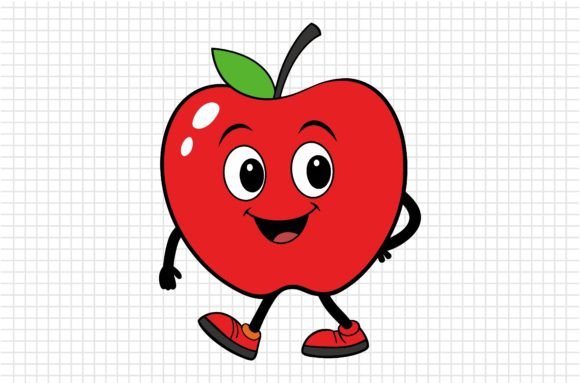
Stylized strawberry vector illustrations take liberties with proportions, colors, and forms. For example, an artist might create a cartoon strawberry with oversized eyes, or a minimalist line-art version that suggests the fruit through a few continuous curves. Stylized vectors are memorable and can evoke emotion or humor, making them suitable for mascots, social media stickers, or brand characters. The limitation is that they may not be appropriate for contexts that demand accuracy, such as a botanical educational resource or a premium food label where consumers expect a faithful representation.
Realistic vector illustrations aim to mimic the exact appearance of a strawberry—accurate shape, natural color transitions, and even the fuzzy texture of the seeds. Achieving this level of realism in a vector is possible but requires advanced skills and often involves blending complex gradients and transparency. Realistic strawberry vectors are ideal for product catalogs, restaurant menus, or any application where the fruit needs to be instantly identifiable and appetizing. Yet they come with larger file sizes and longer creation times, and they may lose some of the charm that a more artistic interpretation brings.
Raster vs. Vector: Why Format Matters
One of the most significant comparisons is between strawberry vector illustrations and raster images (e.g., photographs or scanned paintings). A high-resolution photograph of a strawberry can convey every detail, including the texture of the skin, the glisten of moisture, and the natural imperfections. For a product page or a magazine ad, a photo may be the best choice. But when you need to resize the image for different applications—such as a billboard versus a business card—a raster image will either become pixelated or require a massive file. Vector illustrations solve that problem with infinite scalability.
Moreover, vector files are typically much smaller than high-resolution raster images, making them easier to store, share, and load on websites. They are also fully editable: you can change the color of a strawberry vector from red to pink in seconds, or swap the leaf crown for a different shade of green, without losing quality. This flexibility makes strawberry vector illustration especially valuable for brands that frequently update their color schemes or produce multiple product variations.
Strengths of Strawberry Vector Illustration
Beyond scalability and editability, strawberry vector illustration offers several practical strengths. It works exceptionally well in repetitive use cases—such as icons, patterns, and iconsets—because all elements can be aligned and duplicated with precision. The clean, mathematical nature of vectors also ensures that even a very small strawberry icon remains crisp on screens with varying pixel densities.
Another strength is the ease of customization. A designer can take an existing strawberry vector and quickly modify the shape, proportions, or color to match a brand’s palette. This adaptability is useful when creating seasonal versions—a strawberry vector for a summer campaign might be bright and saturated, while a winter version could be desaturated or paired with a frost effect.
Strawberry vector illustrations also integrate seamlessly into modern design workflows. They can be imported into prototyping tools, animation software, and print layout programs without compatibility issues. Because vectors are resolution-independent, the same strawberry vector can be used on a website hero image, a mobile app splash screen, and a gift card envelope without any degradation.
Tradeoffs and Limitations
Despite these advantages, strawberry vector illustration has its limitations. The most obvious is the lack of true photographic realism. Even the most detailed vector cannot replicate the organic randomness of a real strawberry—the tiny variations in color, the subtle irregularity of the seed pattern, or the delicate fuzz on the surface. For projects that demand absolute realism, a high-quality photograph or a 3D render will outperform any vector.
Additionally, creating a custom strawberry vector from scratch requires skill and time. While there are many pre-made strawberry vector sets available, they often share similar design conventions, which can make a brand’s visuals look generic. Relying on stock strawberry vectors without customization may dilute a brand’s distinctiveness, especially if competitors are using the same assets.
Another tradeoff is that certain vector styles, especially detailed ones, can become overly complex and lead to larger file sizes that load slowly in web environments. If a strawberry vector includes dozens of gradient mesh points or layered transparency effects, it may not be suitable for performance-sensitive projects like mobile apps or low-bandwidth websites.
When Strawberry Vector Illustration Is the Right Choice
Strawberry vector illustration excels in scenarios where brand consistency, scalability, and editability are top priorities. Consider using a strawberry vector when:
- You need a consistent graphic across many sizes and formats. For example, a juice company might use a strawberry vector on its logo, website, bottle labels, and social media icons, ensuring the fruit looks sharp everywhere.
- You plan to update the design frequently. If you anticipate seasonal color changes or promotional variants, a vector file makes those adjustments quick and efficient.
- You are designing for user interfaces or icon sets. Strawberry vectors scale down gracefully for tiny icons without losing legibility.
- You want a stylistic look that stands out from photography. A hand-drawn or specially designed strawberry vector can give a brand a unique artistic voice that a stock photo cannot.
When You May Need Another Option
On the other hand, strawberry vector illustration may not be the best fit when:
- Photorealism is essential. For a cookbook cover or a fruit advertisement where the product must look mouthwateringly real, a professional food photograph or a high-end 3D render is more effective.
- You need a one-off image and don’t require reusability. If the graphic will only appear in a single context, the editability and scalability of a vector may not justify the cost of custom work.
- Your brand identity relies on texture and imperfection. Some brands deliberately embrace organic, handmade styles. A perfectly clean vector might feel too artificial.
- You are working within a very tight budget and timeline. Hiring a skilled vector illustrator to create a custom strawberry vector can be expensive, and pre-made vectors may not meet your needs.
Key Decision Factors for Choosing Strawberry Vector Illustration
When evaluating whether strawberry vector illustration is the right route for your project, consider these decision factors:
- Intended Use – Will the graphic appear in only one place, or across multiple platforms and sizes? The more formats and sizes you need, the stronger the case for vector.
- Desired Aesthetic – Do you want a clean, modern, and minimal look, or something more organic and detailed? Flat and stylized vectors lean toward simplicity, while high-detail vectors approach realism.
- Customization Needs – How often will you need to modify the graphic (colors, shapes, elements)? Vectors make rapid edits feasible without losing quality.
- Audience Expectations – In a health-food brand, a polished strawberry vector can signal freshness and quality. In a luxury product, a more refined illustration or photograph might be expected.
- Budget and Time – Custom vector illustration takes time and money. Pre-made strawberry vectors can be a cost-effective alternative, but they may not be unique.
- Brand Consistency – If you are building a visual system with multiple fruit icons or food graphics, maintaining the same vector style across all items is crucial. Strawberry vector illustration can serve as the template for an entire fruit family.
Practical Examples and Comparisons
Imagine you are designing packaging for a line of organic strawberry preserves. You could commission a detailed, gradient-rich strawberry vector that sits prominently on the label, with subtle highlights to suggest juiciness. That same vector could be used in a smaller size on the jar lid and digitally on the brand’s website. The consistency across materials reinforces brand recognition. However, if you later decide to launch a limited-edition wild strawberry flavor, you can quickly adjust the vector’s color to a paler red and add a slightly different leaf shape—edits that take minutes instead of fully recreating artwork.
Compare that with a scenario where you need a one-time infographic about strawberry farming. Here, a photograph of a strawberry plant accompanied by a digital illustration might work better because the focus is on education rather than brand repetition. The vector’s scalability is less important if the graphic only appears in a fixed-size PDF.
Another example: a children’s app that teaches fruit names. Using a consistent set of vector illustrations for each fruit, including a friendly, cartoony strawberry vector, creates a cohesive learning environment. The vectors can be animated easily (using vector-based animation tools) to make the fruit bounce or grow. A raster alternative would require separate assets at different sizes and would not scale as cleanly on high-resolution tablets.
Making an Informed Decision
Strawberry vector illustration is a versatile and powerful tool in the designer’s arsenal, but it is not a universal solution. Its main strengths—scalability, editability, and clarity—make it ideal for projects that demand consistency across media and the ability to adapt quickly. Its main limitations—lack of true realism and potential for a generic look—mean it may not suit every project, especially those that require tactile detail or unique artistic expression.
By carefully evaluating your project’s intended use, aesthetic goals, and practical constraints, you can decide whether a strawberry vector illustration is the right fit or whether a different illustrative style or format would serve you better. The key is to match the tool to the task, always keeping your audience’s expectations and the final application in mind. When you need a crisp, flexible, and recognizable representation of a strawberry that can live across multiple touchpoints, strawberry vector illustration is hard to beat. But when the situation calls for the richness of a photograph or the individuality of a handcrafted drawing, the alternative may be the wiser choice.