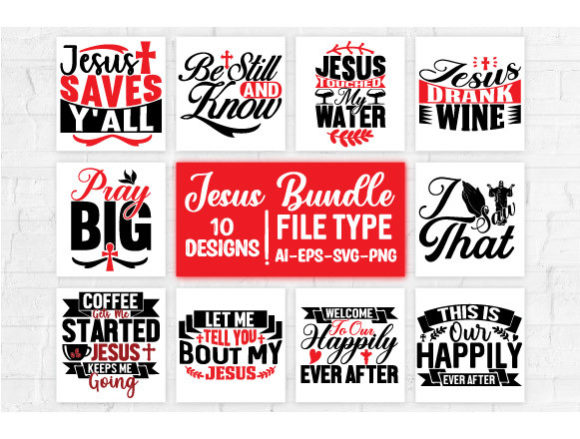
Jesus Cross T-Shirt Design SVG as a Bold Display Typeface
Last week, I was refining the hero section of a boutique online store for a faith-centered apparel brand—and realized the headline needed more than clarity. It needed resonance. That’s when I dropped the Jesus Cross T Shirt Design Svg into Figma as a vector overlay on a soft linen-textured banner. Not as body copy, not as a logo lockup, but as a centered, high-impact display element: “Be Still. Know Jesus.” Instantly, the tone shifted—calm but confident, reverent but contemporary.
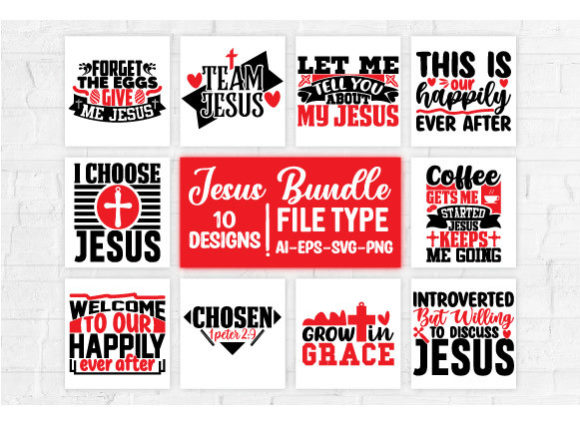
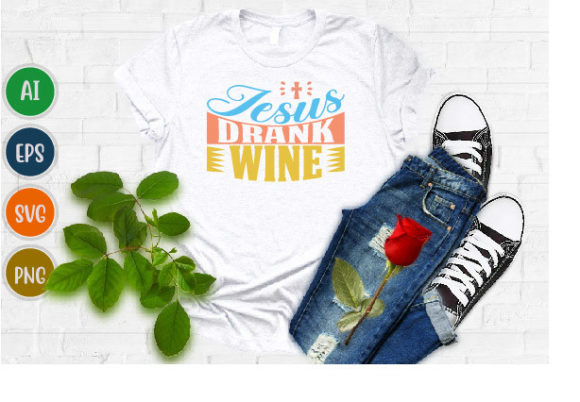
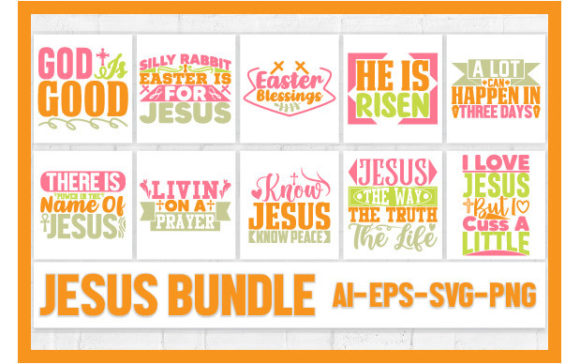
This isn’t just another T-Shirt Designs download. It’s a tightly crafted set of design assets built for digital intentionality: 10 AI vector files, 10 EPS illustrations, 10 SVGs, and one ultra-high-res PNG (4500 × 5400) with transparent background. Visually, it balances sacred symbolism with modern graphic restraint—the cross is clean-lined and centered, the typography blends gentle curves with grounded serifs, and phrases like “Jesus Saves” or “Touched My Water” carry quiet authority, not shouting urgency. Its mood is warm, approachable, and quietly assured—ideal for brands that value authenticity over aesthetic noise.
In practice, I used the SVG version directly in the hero section’s HTML markup—no raster fallback needed. Because it’s scalable, it held perfect crispness on a 27-inch desktop display *and* rendered cleanly at 32px on an iPhone SE. No blurriness. No layout shift. Just intentional presence. That’s where this asset shines: as a responsive display typeface replacement—not for paragraphs, but for moments that anchor meaning.
I tested it across several real layouts:
- A coaching website’s “About” section header—paired with Inter Light for body text. The contrast created immediate visual hierarchy without competing.
- A course sales page CTA banner (“Start Your Journey Today”)—layered over a muted gradient. The SVG’s transparency preserved depth while keeping text legible.
- A blog redesign’s featured post card—used at 24px on light gray (#f8f9fa) background. Still highly scannable, even with minimal spacing.
- A digital brand kit’s social media banner template—exported the SVG to PNG at multiple aspect ratios. Consistent weight, consistent voice.
Readability? It’s strong—but context-dependent. At sizes under 20px, especially on mobile buttons or navigation labels, the decorative flourishes begin to soften legibility. So I reserved it strictly for headings, short slogans, and branded accents—never for form fields, pricing tables, or paragraph leads. On dark backgrounds, I added a subtle 1px white stroke (via CSS text-stroke) to ensure contrast met WCAG AA standards. On image overlays, I always applied a soft 12% black scrim behind the text block first—never relied solely on font weight for separation.
Font pairing matters deeply here. This isn’t a standalone system font—it’s a statement piece. In every project, I paired it with a neutral, highly legible sans serif: Inter, Manrope, or even system-ui for faster load times. For editorial-style blog headers or newsletter banners, I occasionally swapped in a warm serif like Cormorant Garamond for subheads—letting the Jesus Cross T Shirt Design Svg hold the top spot, unchallenged. The result? A balanced typographic rhythm: expressive + functional, spiritual + streamlined.
The file variety made implementation frictionless. Need to animate the cross icon in a micro-interaction? The SVG path data was clean and well-named. Building a Shopify product page where customers preview designs on mockups? The high-res PNG dropped right into Placeit without upscaling artifacts. Preparing assets for a client’s Canva brand template? The EPS and AI files gave their designer full edit control—no pixelation, no missing layers.
Licensing was straightforward—commercial use included, no attribution required—but I still double-checked the license terms before adding it to a SaaS dashboard UI kit I’m co-developing. (Yes, even spiritual graphics need clear usage boundaries.) And while there are no variable font axes or multilingual glyphs bundled, the included variations—like alternate “Y’all” ligatures or water-drop accent marks—added subtle personality without sacrificing professionalism.
What surprised me most wasn’t the visual impact—it was how quickly it helped unify disparate elements. A landing page felt cohesive because the same cross motif appeared as an SVG icon in the footer, a simplified monochrome version in the email signup CTA, and the full phrase in the hero. That consistency didn’t come from forcing uniformity; it came from having one versatile, well-built Graphics asset that behaved predictably across contexts.
If you’re choosing typography for a faith-based brand, a creative portfolio with spiritual themes, or even a wellness course landing page seeking grounded warmth—this isn’t about ornamentation. It’s about selecting a display typeface that carries weight *and* welcome. One that doesn’t shout doctrine, but invites reflection. And in today’s fast-scrolling, low-attention web environment, that kind of intentional pause? That’s UX with purpose.