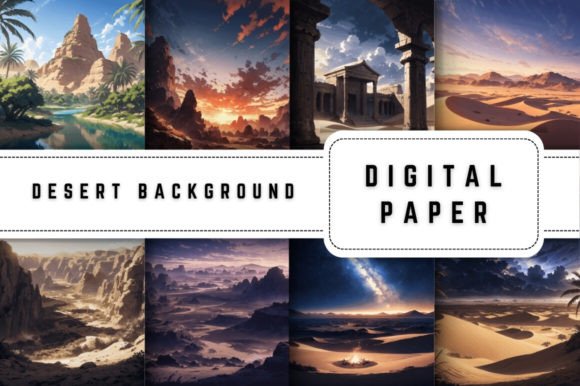
Understanding the Role of Background Design 423 in Modern Digital Projects
Background Design 423 is more than just a visual element; it's a critical component that influences user experience, brand perception, and overall project success. Whether you're working on a website, an app, or a digital marketing campaign, understanding how to effectively use this design concept can make a significant difference. Let’s explore what makes Background Design 423 unique and why it matters in today’s digital landscape.
What Is Background Design 423?
Background Design 423 refers to a specific set of design principles and aesthetic choices used to create visually engaging and functional backgrounds. These designs are often characterized by their balance between form and function, ensuring that they enhance the user experience without overwhelming the content. The term itself may not be widely recognized, but its applications are widespread across various industries.
One of the key features of Background Design 423 is its adaptability. It can be tailored to fit different platforms, from mobile apps to large-scale web interfaces. This flexibility makes it a go-to choice for designers looking to maintain consistency while still allowing for creative expression.
The Importance of Visual Hierarchy in Background Design 423
Visual hierarchy plays a crucial role in any design, and Background Design 423 is no exception. A well-structured background ensures that users can easily navigate through content, find information, and engage with the interface without confusion. By using contrasting colors, appropriate spacing, and strategic placement of elements, designers can guide the user’s attention effectively.
For instance, in a digital marketing campaign, a Background Design 423 that uses subtle gradients and clear typography can help highlight key messages without distracting from the main content. This approach not only improves readability but also enhances the overall user experience.
How Background Design 423 Enhances Brand Identity
Brand identity is often built through consistent visual elements, and Background Design 423 can be a powerful tool in this regard. When used correctly, it reinforces brand values and creates a cohesive look across all digital touchpoints. This consistency helps build trust and recognition among users.
Consider a company that wants to establish a modern and professional image. By incorporating Background Design 423 into their website, they can create a clean, organized layout that reflects their brand’s personality. This not only makes the site more appealing but also helps in conveying the right message to the audience.
Practical Benefits of Using Background Design 423
There are several practical benefits to adopting Background Design 423 in your projects. One of the most significant is improved usability. A well-designed background can reduce cognitive load, making it easier for users to interact with the content. This is especially important in environments where users need to process information quickly, such as in e-commerce or educational platforms.
Another benefit is increased engagement. A visually appealing background can capture users’ attention and encourage them to explore further. This is particularly useful in marketing campaigns, where the goal is to drive conversions and increase user interaction.
Common Considerations When Choosing Background Design 423
Before implementing Background Design 423, there are several factors to consider. First, the purpose of the design should align with the overall goals of the project. Is it meant to be decorative, functional, or both? Understanding this will help in selecting the right elements and styles.
Second, the target audience plays a significant role in determining the effectiveness of the design. What works for a younger demographic may not resonate with an older one. Conducting user research and testing different options can help identify the most suitable approach.
Finally, performance is an essential consideration. High-resolution images or complex animations can slow down loading times, which can negatively impact user experience. Optimizing the design for speed and efficiency ensures that it delivers the desired results without compromising performance.
Examples of Background Design 423 in Action
Looking at real-world examples can provide valuable insights into how Background Design 423 is applied. For instance, many modern websites use minimalist backgrounds with soft textures and muted colors to create a calm and inviting atmosphere. This approach not only looks aesthetically pleasing but also supports the content by not competing for attention.
In the realm of mobile applications, Background Design 423 is often used to create immersive experiences. A fitness app might use a dynamic background that changes based on the user’s progress, reinforcing a sense of achievement and motivation. This type of design can significantly enhance user engagement and satisfaction.
Recommendations for Implementing Background Design 423
If you’re considering integrating Background Design 423 into your next project, here are a few recommendations to keep in mind. Start by defining the purpose of the background and how it will support the overall design. Then, choose a style that aligns with your brand identity and target audience.
It’s also wise to experiment with different elements and test them with real users. This can help identify what works best and what needs refinement. Remember, the goal is to create a background that enhances the user experience rather than detracts from it.
Lastly, stay updated with current design trends and technologies. The digital landscape is constantly evolving, and staying informed can help you make more informed decisions when it comes to Background Design 423.