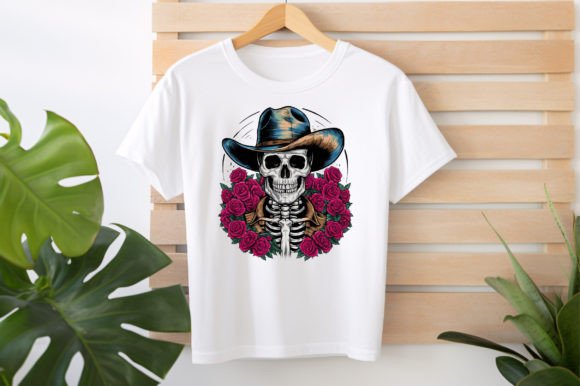
The Art and Craft of Funny Clipart PNG Design
In a digital landscape saturated with polished photography and slick branding, the humble clipart has undergone a quiet renaissance. Once relegated to clip-art libraries of the early web, the modern funny clipart PNG design has emerged as a versatile, lightweight, and highly shareable visual language. Whether you are a graphic designer building a presentation deck, a teacher preparing classroom materials, or a small business owner sprucing up a social media post, the appeal of a well-executed humorous illustration with a transparent background is hard to overstate.
What makes a clipart design truly funny is rarely the joke itself. It is the timing within the composition, the exaggerated expression of a cartoon animal, or the unexpected juxtaposition of objects. A funny clipart PNG design does not simply decorate a page; it communicates tone, reduces friction in understanding, and often creates a memorable hook for the viewer. Unlike static photography, clipart can bend reality, amplify emotions, and deliver punchlines in a single frame.
Understanding the Appeal of Humor in Visual Design
Humor in visual communication is a shortcut to engagement. When a viewer encounters a whimsical illustration of a cat wearing sunglasses while balancing a stack of pancakes, the brain releases a small dopamine spike. That positive association transfers to the content surrounding the image. For designers, this means that selecting the right funny clipart PNG design can dramatically increase the effectiveness of a call-to-action, the readability of an infographic, or the shareability of a meme.
The key characteristic of successful humorous clipart is relatability. A clipart of a frustrated person wrestling with a tangled cable works universally because almost everyone has experienced that moment. The exaggeration in the illustration—steam coming from the ears, bulging eyes, a wildly tangled cord—amplifies the shared experience. The PNG format matters here because it allows the illustration to sit seamlessly on any background, whether it is a white corporate slide or a colorful Instagram story.
The Technical Foundation of PNG Clipart Creation
PNG, short for Portable Network Graphics, is the preferred format for clipart because of its lossless compression and support for transparency. Unlike JPEG, which introduces artifacts and cannot handle transparent backgrounds, PNG preserves crisp edges and subtle gradients. When designing a funny clipart PNG design, the transparency layer is not a technical afterthought; it is a design constraint that shapes the entire creative process.
Designers working with clipart must consider how the transparent edges will behave when placed over dark, patterned, or textured backgrounds. A common mistake is to leave a faint halo around the illustration, which ruins the illusion of the object floating naturally on the page. High-quality funny clipart PNG designs use anti-aliasing carefully and avoid relying on drop shadows that assume a white background. Instead, professional designers bake internal shading into the artwork so it stands independently of any backdrop.
Resolution is another critical factor. A clipart designed for a 72 DPI web banner will look pixelated if scaled up for a printed flyer. The best PNG clipart assets are created at high resolution—ideally 300 DPI or vector-origin—and exported at multiple sizes. This scalability is one reason why vector tools like Adobe Illustrator or Affinity Designer are commonly used to create the original artwork, even though the final delivery is a raster PNG.
From Concept to Final Export: A Designer's Workflow
Creating a compelling funny clipart PNG design follows a distinct creative workflow that balances humor, composition, and technical precision. While every designer has their own process, the most effective approaches share several common stages.
Ideation and Sketching
The humor must be conceived before it can be drawn. Many professional clipart artists keep a swipe file of everyday situations, wordplay, and visual puns. For example, a banana trying to peel itself, a coffee cup with a tiny face yawning, or a turtle wearing a jetpack. The goal at this stage is quantity over quality. Rough thumbnail sketches, often no larger than a few centimeters, help the designer test which concepts read clearly at small sizes. A joke that requires a paragraph of explanation will fail as clipart. The best concepts are instantly readable.
Vectorization and Detailing
Once a concept is selected, the designer moves to vector software. The reason vector tools are preferred is not just resolution independence; it is the ability to adjust curves and proportions with surgical precision. A funny clipart PNG design often relies on specific proportions—a head that is too large for the body, eyes that are slightly crossed, or a mouth that is just a bit too wide. These distortions are difficult to achieve cleanly in raster drawing apps. Vector handles allow the artist to nudging the curve of a smile by a single anchor point until the expression hits the sweet spot between hilarious and grotesque.
Color Palettes and Expressive Elements
Color in humorous clipart serves a dual purpose. It must attract attention while supporting the joke. Bright, saturated colors like hot pink, electric yellow, and cyber lime are common because they signal playfulness. However, a funny clipart PNG design about a tired office worker might deliberately use desaturated, muted tones to reinforce the mood of exhaustion. The contrast between the dreary color palette and the exaggerated pose creates a layered humor that rewards closer looking.
Expressive elements such as motion lines, sweat drops, and star bursts are borrowed from comics and manga. These symbols are culturally understood across many audiences. A single large sweat drop on a character's forehead instantly communicates nervousness or effort. Three short motion lines behind a running figure convey speed. Integrating these symbols into the PNG design ensures that the humor translates even without text.
Practical Applications Across Industries
The versatility of funny clipart PNG design means it finds homes in nearly every field of communication. Educators use clipart to break down complex topics into approachable visuals. A science teacher might use a clipart of a cartoon atom with googly eyes and a worried expression to introduce atomic theory in a way that reduces student anxiety. The humor lowers the affective filter, making learning more accessible.
In corporate environments, internal communications teams rely on funny clipart to humanize otherwise dry announcements. A reminder about cleaning the office fridge becomes more palatable when accompanied by a clipart of a moldy sandwich wearing a tiny gas mask. The humor signals that the message is important but does not need to be stressful. This approach has been shown to improve compliance with non-critical policies.
Small business owners and social media managers are among the heaviest users of funny clipart PNG assets. A local bakery might use a clipart of a croissant wearing a superhero cape to advertise a new pastry. The transparent background allows the clipart to be placed directly over a photograph of the bakery interior, creating a playful overlay that looks native to the platform. The same clipart can be resized for a story, a post, and a website banner without re-editing.
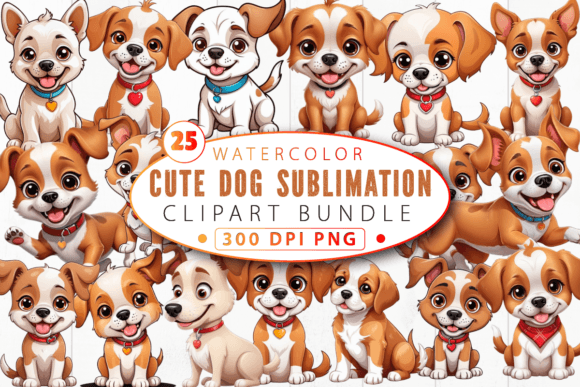
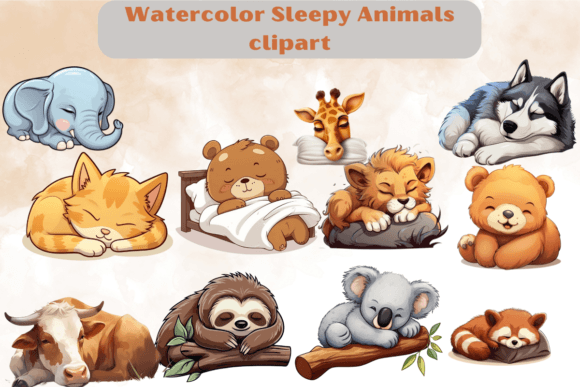
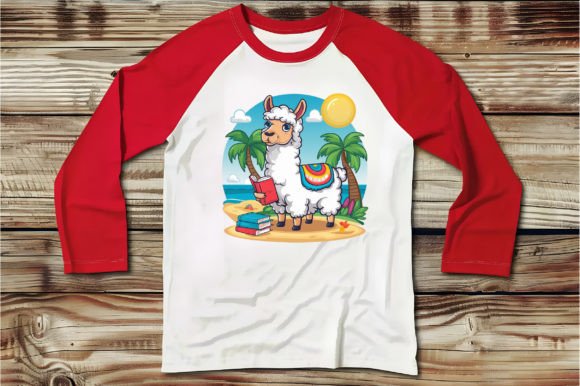
Hobbyists and content creators on platforms like Etsy, Redbubble, and TeachShare build entire product lines around funny clipart PNG design. A designer might create a bundle of fifty animal puns, each delivered as a high-resolution PNG with a transparent background. Buyers purchase these bundles and use them to create stickers, mugs, t-shirts, and digital planners. The commercial ecosystem around clipart is vast, with some designers earning full-time incomes solely from PNG asset sales.
Licensing, Attribution, and Commercial Use
When working with or selling funny clipart PNG designs, understanding licensing is essential. Many clipart assets are offered under Creative Commons, standard commercial licenses, or extended licenses. A funny clipart PNG design used in a free classroom handout typically falls under different terms than one used on merchandise sold in a store. Designers creating clipart for sale must clearly communicate whether the buyer can use the asset in logos, resell it as part of a larger design, or modify it.
For consumers, the safest approach is to purchase from reputable marketplaces that clearly display license terms. Free clipart websites often mix public domain assets with copyrighted works, leading to unintentional infringement. Professional-grade funny clipart bundles typically include a license file that specifies print runs, distribution limits, and modification rights. This transparency protects both the creator and the user, and it is a hallmark of a serious clipart designer.
Emerging Trends in Clipart Design
The world of funny clipart PNG design is not static. Several trends are shaping the direction of the field as we move further into the 2020s. One major trend is the move toward diverse and inclusive representation. Early clipart libraries were notoriously homogeneous. Today, designers are creating funny characters of all ages, body types, abilities, and cultural backgrounds. Humor is universal, and the best modern clipart reflects that.
Another trend is the integration of 3D rendering techniques into what looks like 2D clipart. Designers use tools like Blender or Cinema 4D to model a character, apply a cel-shaded look, and render it with a transparent background. The result is a funny clipart PNG design that has depth and lighting but still reads as a flat illustration. This hybrid style is particularly popular in tech and gaming content.
Animated clipart in PNG format is also gaining traction, though it requires a different format (APNG or GIF). Still, the design principles remain the same. A funny clipart of a penguin slipping on ice becomes exponentially funnier when the penguin's legs wobble before the fall. Designers who master both static and animated forms of humorous clipart are well-positioned for the growing demand in video content and interactive media.
Finally, the rise of AI-assisted design tools has lowered the barrier to entry for creating funny clipart PNG designs. Tools like Midjourney and DALL-E can generate initial concepts, but a skilled designer is still needed to refine the expressions, clean up the transparency, and ensure the humor lands. The best results come from a collaboration between human creative judgment and AI speed, with the designer acting as editor and art director.
Whether you are commissioning custom clipart, building a personal sticker collection, or exploring a new creative side hustle, the world of funny clipart PNG design offers a unique blend of technical craft and emotional storytelling. A single well-drawn, well-timed piece of clipart can make someone smile, clarify a message, or even change a perspective. That is a remarkable amount of power for a file with a transparent background.