Rainbow Watercolor Texture Abstract Art: A Practical Guide for Collectors and Designers
Rainbow watercolor texture abstract art occupies a distinct niche at the intersection of fluid color theory and tactile surface quality. Unlike hard-edged geometric abstraction or monochromatic washes, this style combines the unpredictability of water media with the full visible spectrum, creating compositions that are simultaneously vibrant and organic. For anyone evaluating this genre—whether for personal acquisition, interior design integration, or creative reference—understanding its characteristics, tradeoffs, and typical use cases is essential before committing to a purchase or application.
What Defines Rainbow Watercolor Texture Abstract Art
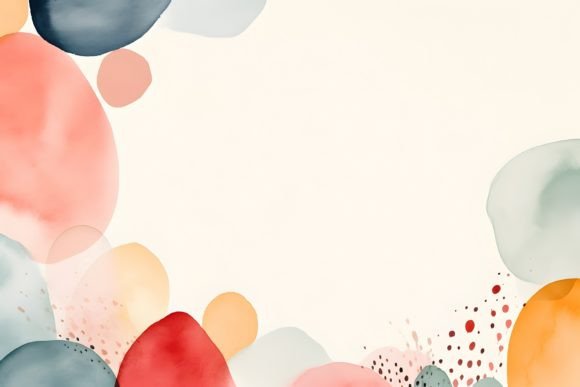
At its core, this art form relies on three interrelated elements: the rainbow palette, the watercolor medium, and an emphasis on texture. The rainbow palette does not necessarily mean every color appears with equal intensity; rather, pieces typically feature a sequence or interplay of hues that span from warm reds and oranges through cool blues and violets. The watercolor aspect introduces translucency, soft edges, and accidental blooms where pigment disperses unpredictably across the paper or canvas. Texture arises from the physical behavior of water—paper grain, pooling, lifting, and the layering of washes that create visible depth and surface variation.
Importantly, rainbow watercolor texture abstract art is not a single formula. Works range from loose, gestural sweeps of color to more controlled compositions where texture is built through repeated glazing or the introduction of salt, alcohol, or other modifiers. Some pieces emphasize broad atmospheric fields, while others zero in on dense, granular detail. This diversity means that a single label can encompass very different visual experiences, so evaluating individual works on their own terms is necessary rather than relying on a general category expectation.
Why This Art Attracts Attention
Interest in rainbow watercolor texture abstract art often stems from several distinct motivations. For collectors, the appeal may lie in the interplay between spontaneity and skill—watercolor is notoriously difficult to control, and successful large-format pieces demonstrate considerable technical command. For interior designers, the broad color range offers versatility in spaces that need a focal point capable of complementing multiple accent colors without clashing. For artists and students, studying these works provides insight into wet-on-wet techniques, color blending, and texture generation that can inform studio practice.
Another common driver is the emotional resonance of color. The full spectrum can evoke a sense of optimism, energy, or inclusiveness, making this style a natural fit for environments intended to feel welcoming or uplifting. Additionally, the abstract nature of the work allows viewers to project their own interpretations, which can make a single piece meaningful to different people for different reasons—a quality that buyers sometimes weigh when considering long-term satisfaction with a piece.
Benefits Worth Considering
- Color compatibility. Because the full spectrum is present, a rainbow watercolor piece tends to harmonize with a variety of existing room palettes rather than forcing a specific color scheme.
- Visual depth. The translucent layers and textural variations create a sense of luminosity that flat digital prints or opaque media cannot replicate, especially when viewed in changing natural light.
- Unique character. No two watercolor pieces are identical due to the medium's inherent unpredictability. This originality is a genuine advantage for buyers seeking one-of-a-kind works.
- Accessibility of scale. Watercolor on paper is relatively lightweight and does not require specialized hanging hardware, making it easier to install, transport, and reposition than larger oil or acrylic canvases.
Tradeoffs and Constraints
- Fragility and care requirements. Watercolor on paper is sensitive to moisture, direct sunlight, and physical abrasion. Works typically require framing under UV-protective glass and placement away from humid environments such as bathrooms or kitchens. This is a genuine maintenance consideration that buyers should factor into their decision.
- Subtlety versus impact. While some pieces achieve vibrant saturation, watercolor generally produces softer chroma than acrylic or oil. In a large room with competing visual elements, a watercolor abstraction may read as subdued rather than commanding—an important distinction if the goal is to create a bold statement.
- Consistency of representation. Photographs of watercolor art often misrepresent the actual appearance, particularly with regard to texture and translucency. Colors that appear vivid on a screen may be more muted in person, and subtle surface details may disappear in digital reproduction. If purchasing online, requesting detailed images under natural light or a video walkthrough is advisable.
- Subjectivity of abstraction. Abstract watercolor can polarize viewers. What one person finds evocative and harmonious, another may perceive as unstructured or unfinished. This subjectivity is not a flaw but is a factor worth verifying when selecting art for shared spaces where different tastes will interact.
Situations Where This Art Shines
Rainbow watercolor texture abstract art performs particularly well in environments with neutral or minimalist backgrounds. White or light gray walls, natural wood flooring, and simple furnishings allow the color gradient to become the room's primary visual event without competing with busy patterns or bold decor. In such settings, the piece serves as a natural anchor, drawing the eye and establishing mood without overwhelming the space.
These works are also strong candidates for transitional zones—hallways, entryways, or reading nooks—where a person may pass through or pause briefly rather than sit for extended viewing. The broad color wash reads quickly and does not demand sustained analytical attention, making it suitable for areas where the art is meant to be felt atmospherically rather than studied closely. Similarly, in shared workspaces or reception areas, the non-representational nature avoids the distractions of figurative content while the rainbow spectrum can subtly reinforce branding or ethos around diversity and energy.
For designers curating a collection around a theme of natural phenomena, rainbow watercolor abstracts can function as color-field analogues to phenomena like rainbows, prisms, or auroral displays. When paired with other pieces that reference organic textures—such as botanical prints or landscape photography—the continuity is thematic rather than literal, which often feels more cohesive than matching subject matter directly.
When Alternatives May Be Worth Exploring
In situations where durability is paramount—such as high-traffic commercial corridors, hospitality spaces with frequent guest contact, or homes with young children and pets—the fragility of watercolor on paper becomes a clear disadvantage. In these contexts, giclée prints on canvas with a protective varnish, or abstract works executed in acrylic or oil, offer comparable color ranges with far greater resistance to humidity, dust, and accidental contact. The tradeoff is that the surface texture and translucency will differ, but the practical longevity may justify the shift.
If the intended effect is maximal saturation and chromatic intensity, rainbow watercolor may fall short of expectations. Artists working in fluid acrylic, alcohol ink, or digital media can achieve higher color density and more dramatic contrast. A buyer who wants a piece that "pops" from across a large room, particularly in a dimly lit space, will likely find greater success with these alternative media. Conversely, someone who values subtle shifts and delicate transitions will prefer the watercolor approach.
Another scenario worth considering is the need for exact color matching. If a piece must coordinate precisely with a specific upholstery, paint color, or brand identity, the unpredictable nature of watercolor blending may not deliver reliable results. In such cases, commissioned digital art or a studio painting with a controlled palette and opaque media gives far more predictable color relationships. Rainbow watercolor texture abstract art is best chosen for its own qualities rather than pressed into service as a color-match element.
Practical Decision-Making Insights
When evaluating a specific work, focus on three dimensions: color harmony, textural interest, and scale relative to the intended wall. Stand at typical viewing distance—roughly six to eight feet for a living room—and assess whether the overall composition reads as balanced or chaotic. Close inspection should reveal nuanced surface detail: granulation, pooling, and subtle shifts in transparency that indicate skilled handling rather than accidental muddiness. If a piece looks the same from three feet as it does from fifteen feet, it may lack the layered depth that distinguishes excellent watercolor work.
Budget expectations vary widely. Original works by established artists command prices that reflect the medium's difficulty and the artist's reputation, while emerging artists may offer accessible entry points. Limited-edition prints on watercolor paper can replicate texture reasonably well at a lower cost, though the surface will differ from a true original. Digital reproductions on standard paper lose most of the tactile quality and are generally less satisfying for this genre. Determine whether the priority is authentic surface texture or the visual pattern alone, and allocate accordingly.
Finally, consider the long-term relationship with the piece. Rainbow watercolor texture abstract art tends to reward viewers who appreciate subtle change over time—shifts in natural light, seasonal mood, and personal interpretation. If you prefer art that delivers a fixed message or strong narrative, a representational or more structurally defined abstract style may provide more sustained engagement. Neither is superior; the match depends on your viewing habits and the role you want art to play in your daily environment.
Aligning the Art with Your Goals
Choosing rainbow watercolor texture abstract art ultimately comes down to matching its inherent qualities with your practical and aesthetic priorities. If you value originality, atmospheric color, and the delicate interplay of transparency and texture—and you can accommodate its care needs—this genre offers a compelling option that stands apart from more mechanically produced decor. If your situation demands durability, high color saturation, or predictable color matching, alternative media or formats will serve you better.
Take time to view pieces in person whenever possible, and allow yourself to respond honestly rather than what you feel the art "should" communicate. The best decision is one where the work feels right in the space and continues to engage your attention over time, not one based solely on trend or abstract appeal. For designers, collectors, and curious buyers alike, understanding what this art type does well—and where it does not—is the clearest path to a satisfying acquisition.